

The Epstein Files contain quite a large amount of legal and investigative correspondence pertaining to the late financier Jeffrey Epstein. The files contain court documents and witness testimonies and email correspondence and flight records and additional materials which the United States Department of Justice (DOJ) published through transparency regulations.
The main purpose of publishing these documents is to provide public access to the legal history and associated records in Epstein’s long-running case, not to assign guilt beyond what courts have established.
Visit Now: https://pakscheme.com/
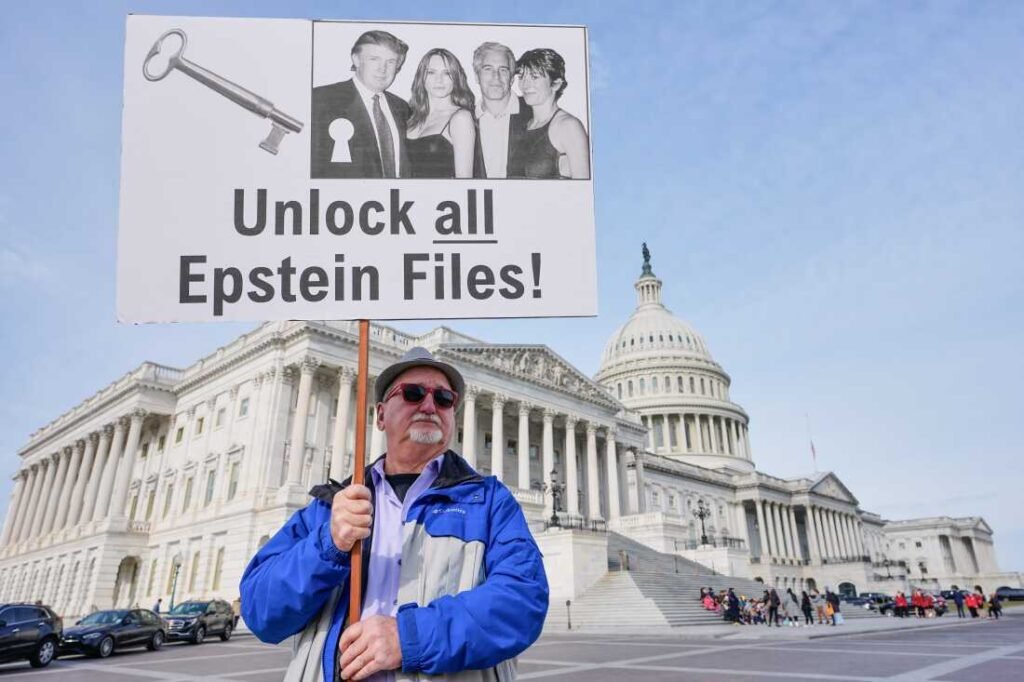
What Do the Epstein Files Include?
The Epstein Files contain millions of pages of material that have been compiled from various legal proceedings and investigations over the years. The records include documents from civil lawsuits, which include the Virginia Giuffre case against Ghislaine Maxwell and the grand jury files and the communications that Epstein and his associates used. The files have become publicly available through multiple releases which include a major tranche that was released in January 2026 under the Epstein Files Transparency Act.
The files consist of:
- Unsealed court documents
- Email exchanges
- Depositions and sworn testimonies
- Flight manifests
- Financial and correspondence records
Read More: CM Punjab Launches 1 Lakh Free 3 Marla Plot Scheme 2026
How Names Appear in the Epstein Files?
Simply because a name is appearing in the Epstein Files does not mean the person has committed a crime. Many times, people who show up on the Files are on for:
- They appear in emails or correspondence involving Epstein
- They are listed on flight logs or in social contacts
- They were mentioned during investigations or depositions
- They are part of legal filings or referenced as witnesses
The Department of Justice and news outlets emphasise that inclusion in the files is not an indication of guilt or involvement in criminal activity.

Notable Names Appearing in the Epstein Files
The Epstein Files contain multiple names which have been mentioned in previous media reports and documented court cases. The files include their names because they had different types of connections which included social ties and work associations and their presence in legal records. The released documents include several important names which are listed as follows:
| Name | Role / Description in Court Records |
|---|---|
| Ghislaine Maxwell | Epstein’s former associate, convicted in a major sex-trafficking case |
| Prince Andrew, Duke of York | Mentioned in relation to past legal claims and sworn depositions |
| Donald Trump | Referenced in flight logs and earlier social interactions; no charges linked to Epstein files |
| Bill Clinton | Included in travel records; not accused of wrongdoing related to Epstein’s crimes |
| Alan Dershowitz | Noted as Epstein’s lawyer in several legal documents |
| Les Wexner | Long-time financial connection referenced in court filings |
| Glenn Dubin | Mentioned in depositions connected to the Maxwell civil lawsuit |
| Marvin Minsky | Referenced in depositions; not charged in relation to the case |
| Sarah Kellen | Noted for scheduling and administrative roles around Epstein in court records |
In addition to these, the Epstein Files may include hundreds more names representing a wide spectrum of individuals connected by business, social contact, or legal reference.
Why Do the Epstein Files Matter?
The Epstein Files are significant for several reasons:
Transparency in legal proceedings: They offer public insight into a high-profile and long-standing case involving sex trafficking and abuse.
Historical record: The files preserve documentation related to investigations, legal actions, and civil lawsuits.
Public scrutiny of legal handling: The release has generated debate about how the Department of Justice managed redactions and transparency.
Read More: Punjab Ration Card Scheme 2026 – Apply Before Ramadan
Redactions and Privacy Protections
The Epstein Files contain multiple documents which have been redacted to safeguard the identities of victims and to meet legal requirements for privacy protection. The Department of Justice works to achieve transparent operations while it protects confidential details about individuals. The files underwent the temporary removal of certain parts to allow proper redaction processes and subsequent re-evaluation.

Misinterpretations and Context
It is important to understand that:
- Inclusion in the Epstein Files does not equal legal accusation or conviction.
- Many names in the documents were already publicly associated with Epstein in various ways.
The journalists and legal analysts demonstrate that document interpretation requires contextual understanding because a name by itself cannot prove someone’s involvement in criminal activities.
Conclusion
The Epstein Files represent a vast and detailed collection of legal documents and records associated with the late Jeffrey Epstein’s legal history. The documents contain multiple references to prominent people who need to be tested for their involvement in the files, yet their inclusion does not establish evidence of their wrongdoing. The records serve as evidence to show how U.S. legal authorities achieved transparent documentation of Epstein’s offences and his connections to criminal activity.
FAQ’s
What are the Epstein’s Files?
The Epstein’s Files are a collection of unsealed court documents, depositions, emails, and records related to Jeffrey Epstein’s criminal investigations and associated civil lawsuits. These files were released to improve legal transparency, not to declare guilt.
Does being named in the Epstein Files mean someone is guilty?
No. Being named in the Epstein Files does not mean a person committed a crime. Many names appear because of social contact, travel records, emails, or third-party mentions in legal documents.
Why were the Epstein Files made public?
The Epstein Files were released following court orders and transparency laws in the United States. Judges determined that certain documents could be unsealed in the public interest while still protecting victims’ identities.
Who released the Epstein Files?
The Epstein Files were released through U.S. courts and the Department of Justice as part of civil litigation and legal review processes. Some files were published in phases after redactions were reviewed.
Are the Epstein Files complete and final?
No. The Epstein Files represent released portions of a much larger legal record. Some documents remain sealed or partially redacted due to privacy laws, ongoing legal considerations, or victim protection requirements.